

Scopus shows your research office where the work is, and who is citing it
What exists, who wrote it, who has cited it since
Scopus is Elsevier's multidisciplinary abstract and citation database. It indexes published research across disciplines, links each article to the work that cites it, and turns the result into figures your institution can report.
Global tools. Local licensing and support.
- One subscriptionPlaced and renewed with a Philippine company
- Access set upLogins and links arranged with your library
- Program scopingCoverage matched to the programs and offices you run
- Local supportQuestions reach a team in the Philippines
CE-Logic licenses the tool locally and sets it up with your library, so your users reach the content it holds, your librarians put it in front of the right people, and the institution gets sources it can stand behind.
What goes into one subscription
What Scopus is
- Citation records
- Author profiles
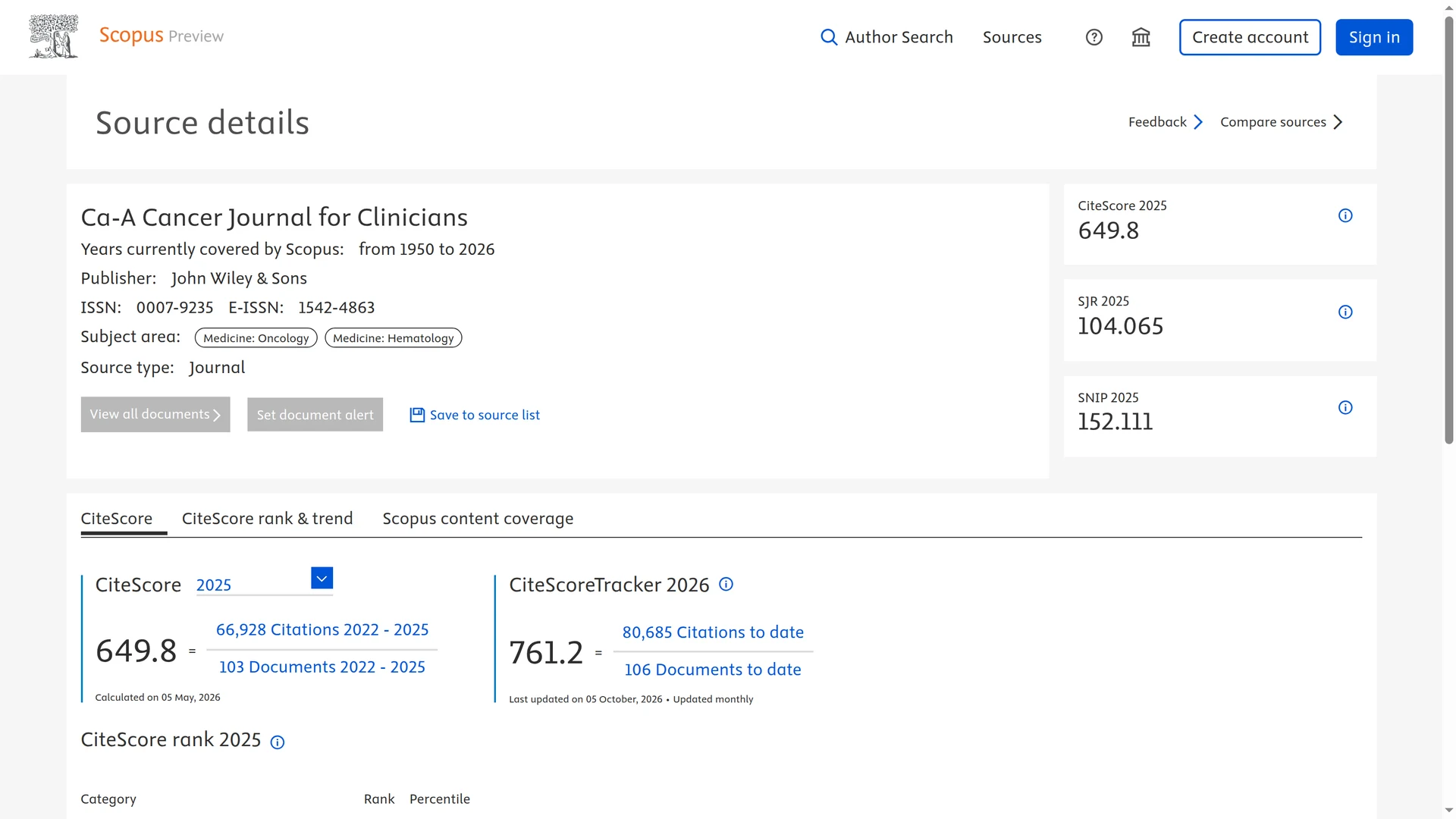
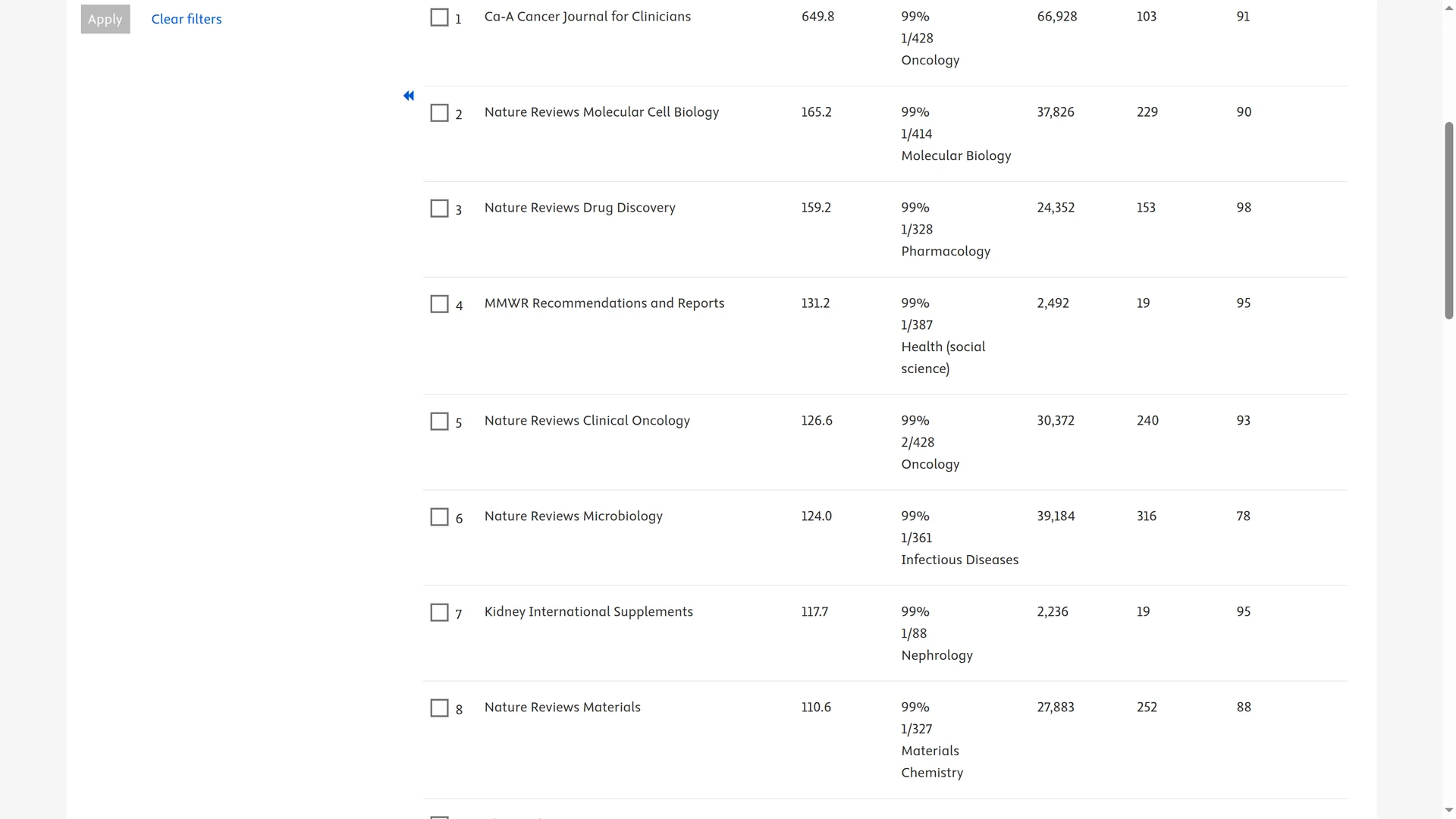
- CiteScore metrics
Scopus does not carry the full text of most of what it lists. It carries the record: who wrote the paper, where it appeared, what it references, and who has cited it since. That record is what makes a literature search answerable, and it is why a research office reaches for Scopus before it reaches for a search engine.
The database is organised around three questions that usually arrive in the same week. Whether a topic has already been studied, and by whom. Which researchers and institutions are working on it now. And what the institution's own published output has done since it appeared.
Who it is for
Research directors and graduate programs, faculty preparing a literature review, librarians building a discovery layer, and the office that assembles research reports for the institution.
Faculty use it for author profiles and citation counts when they apply for promotion or funding. The research office uses the same figures in accreditation and ranking submissions. Librarians use CiteScore and the usage record when they decide which titles to keep.
What is inside
- Citation records
- Author profiles
- CiteScore metrics
- Abstract and citation records across disciplines, with reference lists and citation counts
- Author profiles that gather a researcher's output, affiliations and collaborators in one place
- CiteScore, a journal-level metric, alongside journal, article, author and institutional metrics
- Search by topic, author, affiliation, source or funding body, with results that compare and export
- Content selected by an independent board of subject experts, so what gets indexed is not decided by the publisher alone
- Coverage that reaches research from developing countries and newer fields
Getting access in the Philippines
CE-Logic brings Scopus to Philippine institutions and works with your library on the subscription and on access for your users. Tell us which programs and research offices you need covered, and CE-Logic scopes the subscription with you and sets up access.
ScienceDirect is the full-text side of the same research workflow, and Statista covers the market and industry questions your business programs ask. Both sit alongside Scopus in CE-Logic Research and Information Solutions, the group's library and research portfolio.
How CE-Logic Implements Scopus: The Navigate Framework
A license is not adoption. CE-Logic uses the Navigate framework to make sure the resource gets adopted, reaches the right people, and stays tied to institutional goals.
01
Discover
We look at what your programs, research offices and students need to reach, and how your library handles access today, before a subscription is placed.
02
Align
We match the coverage to the programs, research areas or agency mandates it has to serve, so the subscription has a reason to exist.
03
Activate
We set up authentication and library links before launch, and start with the librarians and faculty who will use it first.
04
Sustain
Ongoing support from CE-Logic after launch, with usage reviewed against the programs the subscription was bought for, so renewal is a decision on evidence.
Navigate is the C&E ALS framework for turning a licensed resource into research your institution actually uses. Read about C&E ALS Navigate.
Questions libraries ask before licensing Scopus
Can we evaluate Scopus before we subscribe?
Yes. Contact CE-Logic to arrange a free trial or a demo for your research office. We scope it on the disciplines your institution publishes in, the reports it has to produce and the access route your library already uses, then set access up with your library.
How do we request a quote for Scopus access?
Send us the faculties, research offices and graduate programs that need it, and CE-Logic scopes access with your library through the Navigate framework. The quote follows that scope, and your librarian approves it and stays the contact through setup and after launch. Start with the contact form.
Can our researchers use Scopus from outside the campus network?
Yes, once your library sets up a remote route. Elsevier federated access lets a researcher sign in through the institution's own identity provider, and registration IDs cover institutions that authenticate by IP. Where the library runs access by IP or VPN alone, users connect through that.
Which publishers and subject areas does Scopus index?
Scopus indexes content from more than 7,000 publishers, grouped into four subject areas: physical sciences, health sciences, life sciences and social sciences. Under those sit the narrower classifications a faculty will ask about, from chemical engineering and computer science to nursing and economics.
Can we export Scopus data for research impact reports?
Yes. Results export to CSV, RIS or BibTeX, up to 20,000 records per export, and the analyze views export citation counts and h-index data as CSV for a report. Users must be signed in, so your library's access route has to work off campus.
Does Scopus show citation counts and h-index for our own faculty?
Yes. Each author profile carries document counts, citation counts and an h-index, with an h-graph you can filter to leave out self-citations or book citations. Profiles are matched from affiliation and co-author data, and researchers can correct their own through the author feedback wizard.
Scope it with your library
One conversation with your library is enough to scope it: Ask about Scopus access.
Ask about Scopus