

Britannica Education puts your reference desk online
Every answer shows you where it came from
Britannica Academic is Britannica Education's platform for colleges: expert-reviewed articles, primary sources and journals, with ASK Britannica answering questions from the same content.
Global tools. Local licensing and support.
- One subscriptionPlaced and renewed with a Philippine company
- Access set upLogins and links arranged with your library
- Program scopingCoverage matched to the programs and offices you run
- Local supportQuestions reach a team in the Philippines
CE-Logic licenses the tool locally and sets it up with your library, so your users reach the content it holds, your librarians put it in front of the right people, and the institution gets sources it can stand behind.
What goes into one subscription
A reference collection with the research tools built in
- Expert-reviewed articles
- Primary sources and journals
- Country comparisons and atlases
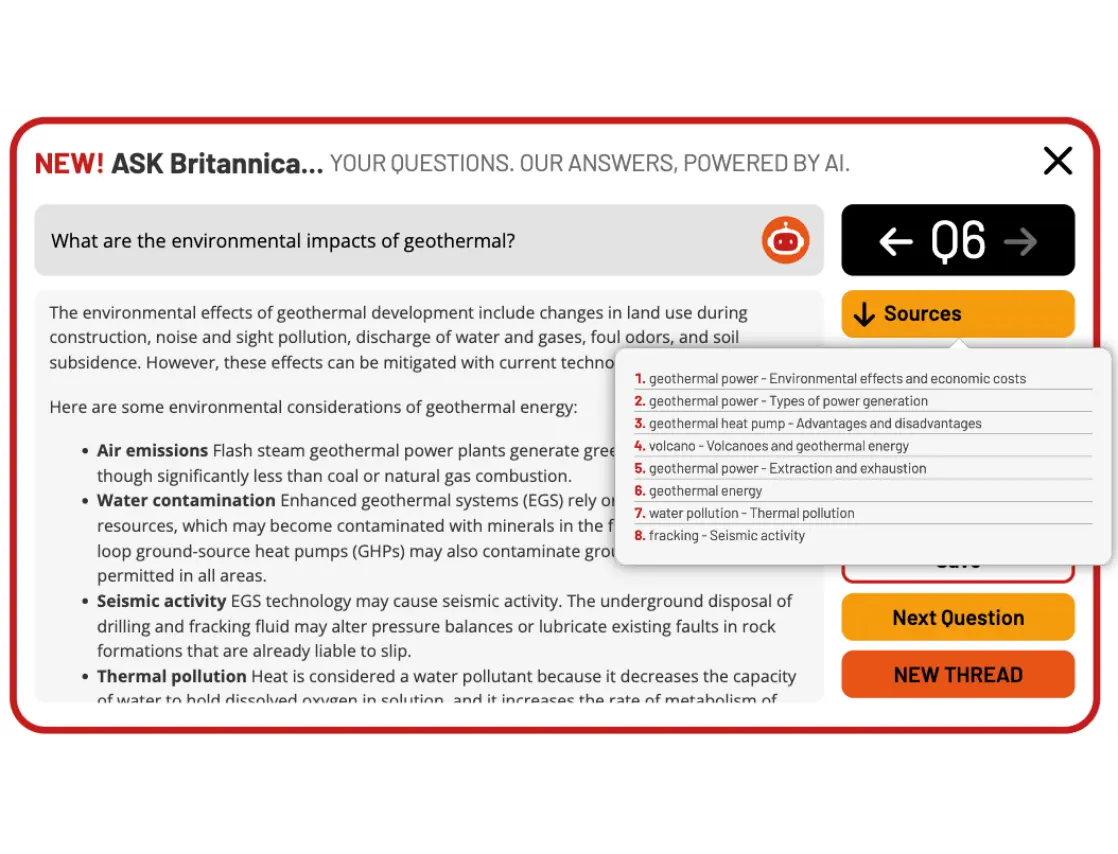
Britannica Academic carries reference articles across the disciplines, written by subject experts, fully cited, and revised as the record changes. Beside the articles sit journals, primary documents, current events, biographies and statistics. The research toolkit adds Merriam-Webster's Collegiate Thesaurus, country comparisons, timelines and world atlases. ASK Britannica takes a question in ordinary language and returns an answer drawn from that same content, with the linked articles and citations shown underneath it, and translation, text-to-speech and accessibility tools are built in rather than added on request.
Editing continues after publication. Entries are fact-checked, cited and updated continuously, and new material joins the platform through the year instead of arriving in a new edition. A faculty member who checks an entry for a class this term and again next year is reading the same reference work, kept current, which is the argument a librarian can make at renewal without counting titles.
Who uses it, and for what
The reference desk answers subject queries from it and hands students citations they can put in a paper. The systems or electronic resources librarian takes the integration work, so entries surface inside the discovery layer and the learning management system a class already opens. First-year composition and general education faculty use it when a class needs a starting point that is safe to cite. Departments across history, political science, literature, the sciences and the professional programs send undergraduates to it for background before they reach the journals. Graduate students and the research office use the country comparisons, statistics and timelines in papers and proposals, and teaching faculty use ASK Britannica to find the entry behind a claim they met somewhere else.
What the subscription includes
- Access ID and passcode
- SSO or LMS login
- Authorized connection
- Britannica Academic for staff and students, on site and off campus
- ASK Britannica, with the linked articles and citations shown on every answer
- Advanced search and filters by subject, publication type or era
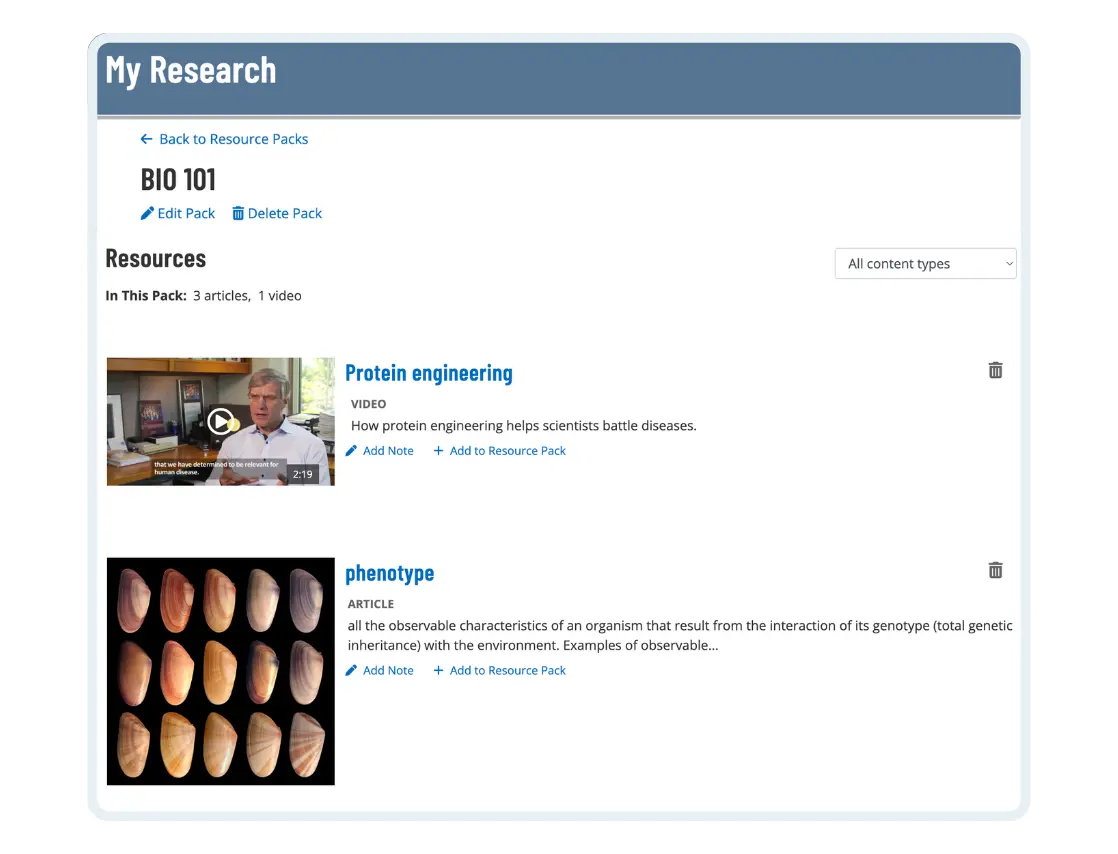
- My Research, for saved articles and Resource Packs built for a course or a project
- Primary documents, current events, biographies, statistics and journal articles
- Merriam-Webster's Collegiate Thesaurus, country comparisons, timelines and world atlases
- Translation, text-to-speech and accessibility tools for multilingual readers
- Integration with your learning management system and discovery layer, through LTI, SSO and rostering
Bringing Britannica Education to a Philippine institution
CE-Logic brings Britannica Education to Philippine institutions. Tell CE-Logic which programs your library serves, which databases and discovery layer you already run, and how your IT office authenticates users, and the subscription is worked out with you on that basis. Access is settled before launch: a native login with an Access ID and passcode, your own single sign-on through the providers Britannica supports, or an authorized connection by whitelisted IP, proxy, location or secure referrer, with OpenAthens and Shibboleth available if the campus already runs one of them. Britannica's own live and on-demand training sessions are open to your staff, and CE-Logic takes questions after the logins are live.
For citation data and author profiles, see Scopus. For sourced statistics and market reports, see Statista. Both sit in the same family, listed on CE-Logic Research and Information Solutions.
How CE-Logic Implements Britannica Education: The Navigate Framework
A license is not adoption. CE-Logic uses the Navigate framework to make sure the resource gets adopted, reaches the right people, and stays tied to institutional goals.
01
Discover
We look at what your programs, research offices and students need to reach, and how your library handles access today, before a subscription is placed.
02
Align
We match the coverage to the programs, research areas or agency mandates it has to serve, so the subscription has a reason to exist.
03
Activate
We set up authentication and library links before launch, and start with the librarians and faculty who will use it first.
04
Sustain
Ongoing support from CE-Logic after launch, with usage reviewed against the programs the subscription was bought for, so renewal is a decision on evidence.
Navigate is the C&E ALS framework for turning a licensed resource into research your institution actually uses. Read about C&E ALS Navigate.
Questions libraries ask before licensing Britannica Education
Can we evaluate Britannica Education before we subscribe?
Yes. Ask for a free trial or a demo when you contact CE-Logic. Britannica Academic is the product on this page, and it is scoped around the programs and user groups your library would put in front of it, so bring the courses and the discovery layer you already run.
How do we request a quote for Britannica Education?
Send CE-Logic the request through the contact form. Include the programs it must cover and how your IT office signs people in: Access ID and passcode, SSO including OpenAthens or Shibboleth, LTI through your LMS, or an authorized connection. The subscription is worked out through Navigate.
Does Britannica work with our SSO and learning management system?
Yes, on both counts. Britannica runs single sign-on through the providers it supports, including OpenAthens and Shibboleth, integrates with your LMS through 1EdTech certified LTI, and handles rostering so classes appear without manual accounts. CE-Logic settles which route with your IT office before launch.
Is Britannica Academic, Britannica School, or both included?
Two separate products. Academic is the college platform on this page; School is the K-12 platform with Elementary, Middle and High levels. Britannica does not state that one subscription covers both, so confirm with CE-Logic what your quote includes.
Can students use Britannica without an individual login?
Yes. The library can issue an Access ID and passcode students use on site or remotely, campus single sign-on can carry them in with the account they already have, including through OpenAthens or Shibboleth, and an authorized connection set up by your IT office needs no login at all.
Can students cite Britannica articles in their research?
Yes. Every entry carries a citation tool with MLA, APA and Chicago in the style dropdown, and the reference is built from the article's own record rather than typed by hand. Entries are written by subject experts and revised as the record changes, so the citation points at a source a faculty member can defend.
Scope it with your library
Ask about Britannica Education access for your institution.
Ask about Britannica Education